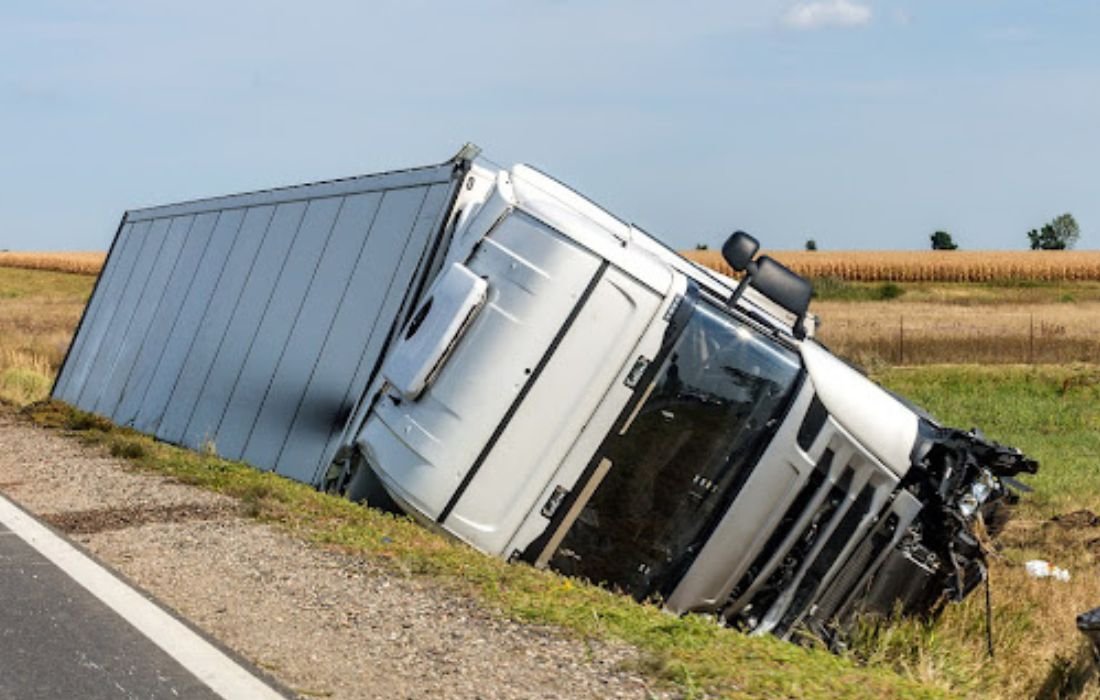
Large commercial trucks carry more than cargo. They carry risk, responsibility, and strict rules that most drivers never think about while sharing the road.
A crash involving a heavy truck often creates far more damage than an ordinary road accident, and the legal side of the situation can quickly become complicated. Investigations tend to be deeper, evidence becomes more technical, and several companies may be involved in the process.
Because of this complexity, people often seek guidance from a truck accident lawyer who understands the legal and technical layers behind these cases.
The Size and Weight of Commercial Trucks
Commercial trucks are much larger than the cars people drive every day. A fully loaded tractor-trailer can weigh up to eighty thousand pounds, while a passenger vehicle usually weighs only a small fraction of that amount.
Stopping distance also becomes an important factor. Large trucks require more space and time to slow down, especially when traveling at highway speeds. Tight turns, heavy cargo, and limited maneuverability can make it harder for drivers to respond quickly in sudden traffic situations.
Because of these physical factors, truck accidents often lead to serious damage and injuries. The scale of the crash alone can lead to complex investigations and legal questions that rarely appear in smaller vehicle accidents.
Multiple Parties May Be Responsible
Determining responsibility in a truck accident is rarely simple because more than one party may play a role in the events leading to the crash. Unlike ordinary car accidents that often involve two drivers, trucking cases can involve several individuals and companies connected to the operation of the vehicle.
Possible responsible parties may include:
- The truck driver operating the vehicle.
• The trucking company that owns or manages the truck.
• A company responsible for loading the cargo.
• Maintenance providers who service the vehicle.
• Manufacturers of truck parts or equipment.
Each of these parties has specific duties related to safety. If one or more of them failed to meet those responsibilities, their actions may contribute to the accident. Understanding how a truck accident lawsuit works often involves reviewing contracts, maintenance records, and employment relationships to determine exactly where responsibility lies.
Federal and State Trucking Regulations
Commercial trucking is heavily regulated to protect drivers and everyone sharing the road. Federal and state agencies enforce rules that trucking companies and drivers must follow during daily operations. These regulations cover many areas that affect safety and vehicle performance.
Driver working hours are closely monitored to prevent fatigue behind the wheel. Trucks must also pass regular safety inspections and maintenance checks. Cargo loading rules are designed to prevent imbalance that could cause rollovers or loss of control. Drivers are required to hold proper commercial licenses and complete safety training before operating these large vehicles.
If a driver worked beyond the allowed hours or if a truck skipped required maintenance checks, these details can influence how responsibility is determined during the legal process.
Evidence in Truck Accident Investigations
Truck accident investigations often involve more technical evidence than ordinary traffic accidents. Modern commercial trucks carry advanced systems that record valuable information about the vehicle’s operation before and during a crash.
Investigators may review data from electronic control modules, which are often referred to as black box systems. These devices record speed, braking activity, and engine performance. Driver logbooks and GPS tracking records can show where the truck traveled and how long the driver was on the road. Maintenance reports may reveal whether the vehicle received proper service before the accident occurred.
Surveillance footage from nearby cameras and physical evidence from the accident scene can also help reconstruct what happened. Because trucking companies sometimes begin their own investigations quickly, preserving this evidence early can become an important part of understanding how the accident unfolded.
Severe Injuries Often Add Legal Complexity
Truck accidents frequently lead to severe injuries because of the massive size and force involved in these crashes. Victims may suffer traumatic brain injuries, spinal cord damage, broken bones, or internal injuries that require extensive medical treatment.
Long recovery periods, rehabilitation programs, and ongoing medical care can increase the financial impact of the accident. Insurance claims may involve larger compensation requests to cover medical costs, lost income, and long-term care needs. As the stakes become higher, the legal process often becomes more detailed and heavily contested.
A Final Look
Truck accident cases stand apart from most road accidents because they combine physical danger with a complicated legal structure. The large size of commercial trucks, the number of parties involved, and the strict regulations that govern the trucking industry all add layers to the process of determining responsibility.
Investigations often require technical evidence and a detailed review of safety records. For this reason, many injured individuals turn to a truck accident lawyer who understands the unique challenges that come with these cases and can carefully examine the many factors involved.
Also Read : The Legal Complexities Behind Rideshare Accident Claims in Anchorage, AK