Opening your home to a child is a huge life event, and while the emotional side usually takes centre stage, the practicalities of money matter too. Suddenly having an extra person at the dinner table or needing to heat the house for longer hours can shift your household budget in ways you might not expect. Getting comfortable with the numbers right at the start is a smart move, as it frees you up to focus on the really important job of helping a young person feel safe and settled.
Here are four areas where a bit of planning can make a big difference.
Get Clear on Income
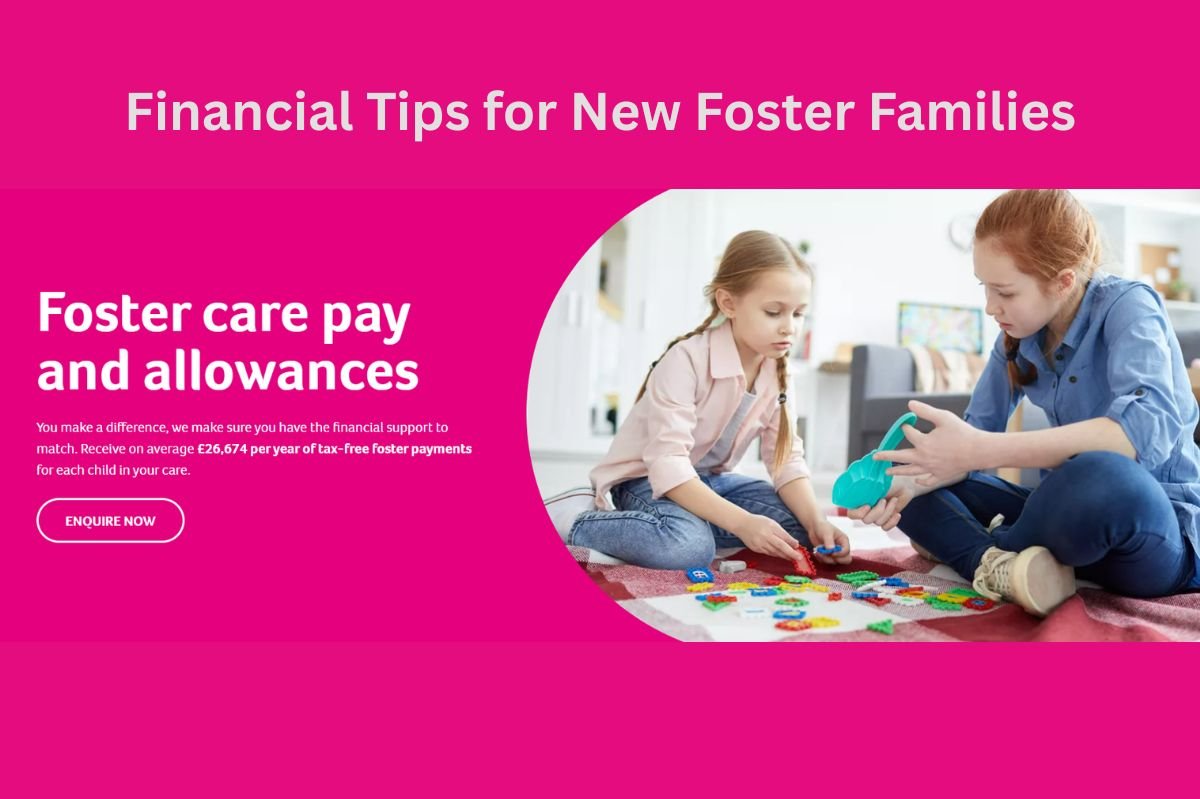
The financial support provided to carers is there to ensure the child has everything they need, but the way it is structured can vary. The main payment you will receive is the allowance from your agency, such as Foster Care Associates. This is typically designed to cover the day-to-day costs of looking after a child, such as food, clothing, and travel, alongside a fee for your time.
It is really helpful to ask your social worker or agency for a detailed breakdown of what this payment is expected to cover. Some agencies bundle money for holidays, birthdays, or religious festivals into the weekly amount, whereas others pay it as a lump sum when needed. Knowing exactly how the cash flow works prevents those awkward moments where you might be short for a school trip because you thought it was claimed back later.
Build a Buffer
Kids have a knack for needing things at the most inconvenient times. A child might arrive with clothes that don’t fit, or they might suddenly need a specific kit for a sports club they have just joined. Because these costs can pop up out of nowhere, try to skim a little off the top of your monthly income into a separate pot.
This doesn’t need to be a huge amount; even twenty pounds a month adds up. Having a “just in case” fund stops you from worrying about the bank balance when a growth spurt happens or a pair of trainers gets lost. It gives you the flexibility to handle the surprises that family life inevitably throws your way.
The Tax Side of Things
Dealing with HMRC is rarely anyone’s idea of fun, but for carers, the system is actually quite supportive. You are generally treated as self-employed, which means you need to file a tax return, but there is a specific scheme called surprises. This gives you a significant tax-free threshold on the money you receive from fostering.
Consequently, many carers find they pay very little, if any, income tax on their fostering earnings. It is also worth checking your National Insurance position. If you aren’t working elsewhere, you can often claim credits to ensure your State Pension record stays up to date. Sorting this paperwork out early (e.g., as soon as you are approved) stops it from becoming a stress later on.
Make Use of Perks
You might be surprised by how many discounts are floating around for families like yours. Various attractions, from cinemas to theme parks, often offer concession rates for carers, and some high street shops do too. It is always worth asking at the till or checking online before you book a day out.
Additionally, membership bodies often provide access to wider discount schemes. If your agency is signed up, you could save money on everything from insurance to weekly groceries. Making use of these perks helps your budget stretch that little bit further, allowing you to do more fun activities together.
Money worries shouldn’t overshadow the amazing thing you are doing. With a clear handle on your budget and a bit of forward planning, you can create a stable, happy home where everyone thrives.